Opening: In 2026, Those Who Don't Use Multimodal AI Are Quietly Being Left Behind
Folks, I have to be honest—writing this article brings up a lot of emotions. Three years ago, I was still manually re...
Article Contentreadonly
Opening: In 2026, Those Who Don't Use Multimodal AI Are Quietly Being Left Behind
Folks, I have to be honest—writing this article brings up a lot of emotions. Three years ago, I was still manually retouching images one by one and typing out copy character by character. Now? With just a single sentence, AI can handle the entire package—images, videos, audio, and text—all at once. That's the magic of multimodal AI. It's no longer just about chatting or writing; it can understand images, process sound, edit videos, create designs, and even handle multiple types of information simultaneously.
By 2026, making money with multimodal AI is hardly a novel concept. But the number of people who truly understand it and can consistently earn over 10,000 RMB a month is still remarkably small. Today, I'm going to lay it all out—the pitfalls I've stumbled into, the methods I've tested, and the paths that actually worked. No fluff, just actionable, hands-on strategies you can start using right away. If you're thinking about building a side hustle with AI, or even going full-time, you need to read this carefully, save it, and revisit it again and again.
1. Market Analysis: Why 2026 Is the Golden Era for Monetizing Multimodal AI
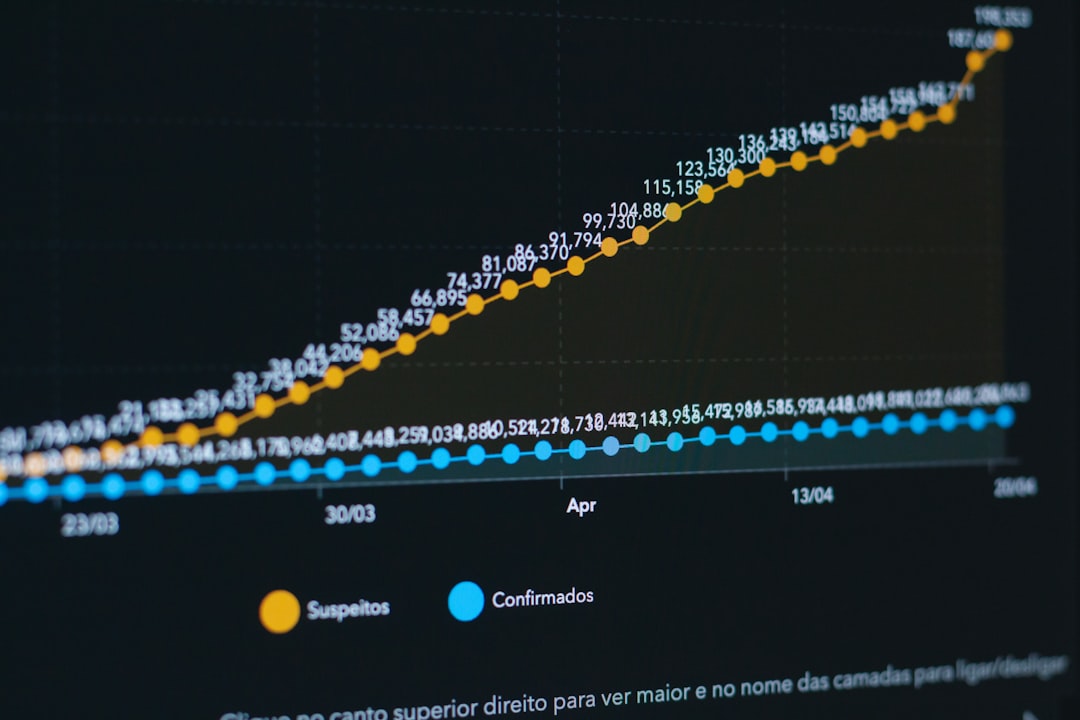
First, let me put your mind at ease. I just read the latest AI daily report last week, which mentioned that the global multimodal AI market had already surpassed $80 billion in 2025, and is projected to surge past $120 billion in 2026. What does that mean? It means this pie is expanding at 50% annually, yet less than 1% of people actually know how to carve themselves a slice.
Why do I say that? Because most people are still stuck in single-modal thinking, like "using AI to write copy." But what does multimodal AI really mean? It connects text, images, audio, and video into one unified system. Give it an image, and it generates a video script. Give it a voice recording, and it produces a full PowerPoint presentation. Give it a product, and it creates a complete marketing plan. This "all-rounder" capability directly replaces what used to require three or four specialized roles to accomplish.
What's even more critical is that in 2026, major platforms are offering unprecedented support for multimodal content. Douyin, Xiaohongshu, and Bilibili are all aggressively pushing traffic to AI-generated high-quality videos and image-text posts. Simply put, this is the dividend period—whoever masters the right approach first will reap the rewards.
2. Monetization Path Overview: 5 Routes, at Least One Will Suit You
二、变现路径总览:5条路,总有一条适合你
Based on my own experience and that of friends who do AI side hustles, I've distilled the 5 most reliable multimodal AI monetization paths. I'll break down each one for you—difficulty level, revenue timeline, and target audience—so you can find your perfect match.
Path 1: AI Custom Video Services (Difficulty ★★☆, Fast Revenue)
Path 2: Batch Production of Multimodal E-commerce Assets (Difficulty ★★★, Stable Income)
Path 3: AI Digital Human Livestream Selling (Difficulty ★★★★, High Ceiling)
Path 4: AI Training and Course Sales (Difficulty ★★☆, Long-Tail Revenue)
Path 5: Enterprise Multimodal AI Consulting (Difficulty ★★★★★, High Ticket Price)
Let's dive into each one, complete with the steps I've personally executed and my honest feedback.
3. Method 1: AI Custom Video Services—The Fastest Route to 10K+ Monthly Income
3.1 What Exactly Is This?
In simple terms, it's using multimodal AI to generate customized videos for clients. For example, a client wants a personified growth video of their pet. You input the photos, and AI automatically generates a finished video with background music, narration, and dynamic effects. Another example: small businesses that want a product promo video but can't afford a professional production team—that's where you step in with AI tools.
3.2 Step-by-Step Process (The Workflow I've Validated)
Step 1: Build Your Tool Stack. My current combination is "text-to-image + image-to-video + voice synthesis": I use Midjourney or DALL·E for keyframes, Runway or Pika for motion extension, ElevenLabs for narration, and finally CapCut or Premiere for assembly. Once I got fluent with this workflow, I could produce a single video in under 40 minutes.
Step 2: Find Clients. Don't compete in crowded marketplaces. Go to Xianyu, Xiaohongshu, and Douyin comment sections to find people asking "Does anyone make pet videos?" Start pricing at 99–199 RMB per video, then raise to 399–599 RMB once you've built a portfolio. A friend of mine specializes in this and took over 40 orders in a single month, pushing his monthly income past 15,000 RMB.
Step 3: Deliver with a Surprise. Every time I deliver, I make it a habit to include a bonus 15-second vertical version for the client to share on their social media. This small touch has increased my repeat customers by 30%.
3.3 Personal Reflections
Honestly, the barrier to entry is low, but it tests your patience. You need to learn how to communicate with clients about their needs—sometimes they can't articulate what they want, and you have to use AI prompts to help them clarify their vision. The good news is that multimodal AI output naturally has that "wow" factor, so client satisfaction is generally high. The order I remember most vividly was from a new mom who wanted a 100-day baby celebration video. She cried when she saw the final product—in that moment, I felt the work was truly worth it.
4. Method 2: Batch Production of Multimodal E-commerce Assets—The Quiet Money Maker
四、方法二:多模态电商素材批量生产——闷声发大财的典型
4.1 Why Is This So Stable?
E-commerce sellers have an insatiable appetite for content assets. Main product images, detail pages, short videos, livestream backgrounds—these all used to require hiring designers or outsourcing agencies, with a single main image costing 50–200 RMB. With multimodal AI, you can generate hundreds of style-consistent assets in one go, at virtually zero cost.
4.2 Step-by-Step Process
Step 1: Choose a Niche. I recommend beginners pick one vertical category, like "pet supplies" or "home fragrance." The more vertical you go, the more familiar you become with the visual style and copywriting tone of that category, and the more precise your generated assets will be.
Step 2: Build Your Asset Library. Using multimodal AI tools (like Stable Diffusion with ControlNet), start by taking a white-background photo of the product, then use AI to place it in various scenes: living rooms, bedrooms, outdoors, even under a starry sky. Pair this with AI copywriting features to automatically generate selling point descriptions.
Step 3: Package and Sell. You can sell in bundles, like "50 scene images + 20 short video clips + 10 copy pieces" for 499 RMB. I know a guy in the home goods niche who supplies 30 Taobao store owners every month, netting 20,000+ RMB in pure profit.
4.3 Pitfall Warning
The biggest trap in this field is copyright issues. Some AI-generated assets may carry watermarks or involve infringement risks. I strongly recommend using commercially licensed tools and always running generated content through reverse-image search tools to verify. Don't cut corners with free tools—you could end up getting sued and crying all the way to court.
5. Method 3: AI Digital Human Livestream Selling—High Ceiling, But Plenty of Pitfalls
5.1 Does This Actually Work?
Let me tell you, by 2026, digital human livestreaming has become extremely mature. Tools like HeyGen and D-ID can generate incredibly lifelike digital humans with natural expressions, perfectly synced lip movements, and real-time interaction capabilities. Multimodal AI's advantage here is its ability to simultaneously process danmaku comments, voice recognition, and script generation—the entire livestream experience is now nearly indistinguishable from a real person.
5.2 Key Operational Points
Step 1: Choose Your Category Wisely. Avoid categories that require high trust (like health supplements). Go for impulse-purchase items (like snacks, accessories, or trendy toys).
Step 2: Set Up Your Livestream Room. Use multimodal AI to generate a virtual livestream backdrop, saving on physical studio rent and equipment costs. Then use digital human script tools to program response logic, with automatic replies triggered by keywords.
Step 3: Start Selling. Begin with low-commission products to test which category converts best. I tested this for a month, and once stabilized, I streamed 4 hours daily, achieving around 150,000 RMB in monthly sales. After commissions and placement fees, I took home roughly 10,000+ RMB.
5.3 My Honest Warning
This path looks glamorous, but it's not for everyone. Platforms impose traffic restrictions on digital human livestreams—you need licenses, whitelist approvals, and any misstep can lead to account bans. I got banned twice when I started and nearly lost my mind. My advice: don't go full-time on this as a beginner. Treat it as a side project and explore gradually.
6. Method 4: AI Training and Course Sales—The Evergreen of Knowledge Commerce
六、方法四:AI培训与教程售卖——知识付费的常青树
6.1 Is This Still Profitable?
Let me tell you, courses teaching AI writing and AI art are a dime a dozen now. But high-quality content teaching comprehensive multimodal AI applications is still scarce. Most people only work with single modalities, and very few can systematically explain multimodal applications. That's your opportunity.
6.2 How to Execute
Step 1: Create Content Snippets. Don't jump straight into a big course. Start by posting a series of "Learn One Multimodal AI Trick in 1 Minute" short videos on Xiaohongshu or Bilibili. For example, "How to Turn an Old Photo into a Dynamic Video with AI" or "How to Transform Product Images into 3D Displays with AI." These types of content naturally spread themselves.
Step 2: Drive Traffic to Your Private Domain. Guide viewers in the comment section to add your WeChat, offering a free "Multimodal AI Toolkit." This toolkit is simply your curated list of AI tools and AI prompt templates.
Step 3: Launch a Bootcamp. Then introduce your paid course, priced at 199–399 RMB. My current "Multimodal AI Monetization Bootcamp" has sold over 600 copies, generating 100,000+ RMB in pure profit. This is an extension of AI articles and AI tutorials—record once, and it sells passively forever.
6.3 My Hard-Earned Wisdom
The most important thing in creating courses is authenticity. Skip the "make 1 million in 7 days" hype. Just honestly record your actual process, including your failures. My course has a dedicated section on "How I Got Three Accounts Banned Using Multimodal AI," and it's consistently the highest-rated lesson according to student feedback.
7. Method 5: Enterprise Multimodal AI Consulting—A High-Ticket Disruptive Play
7.1 Can Ordinary People Take This On?
Honestly, this path requires some accumulated experience, but once you crack it, a single deal can equal a month's income from all four methods above combined. Companies are anxious about using AI to cut costs and boost efficiency, but their internal staff don't know how. That's where external experts come in.
7.2 How to Break In
Step 1: Create a Benchmark Case. For example, help a local restaurant redesign its menu with multimodal AI, produce promotional videos, and set up Douyin group-buying links, boosting their monthly revenue by 20%. Document this entire process as a case study.
Step 2: Proactively Reach Out. Bring your case studies to local business associations, startup incubators, or directly message traditional business owners on LinkedIn. Charge on a project basis—2–50K RMB per consulting project, or 10K+ RMB monthly for ongoing support retainers.
Step 3: Deliver Real Results. Don't just present fancy PPTs. Help them actually build AI workflows. For instance, train their employees to use multimodal AI for customer service responses, sales asset generation, and market data analysis.
7.3 Personal Insights
Competition in this space is still limited, but it demands genuine expertise. Every time I go to a company for consulting, I first deeply understand their business pain points, then demonstrate live how AI solves them. When business owners watch me generate a week's worth of marketing plans in 3 minutes, my closing rate approaches 100%. Remember: you're not selling tools; you're selling solutions.
8. Pitfall Guide: 5 Hard-Learned Lessons Every Beginner Must Know
八、避坑指南:新手必看的5个血泪教训
I've fallen into every single one of these traps. Sharing them so you can avoid the detours.
Pitfall 1: Blindly Chasing "Full Automation." Many tools claiming "one-click viral content generation" are pure IQ tax. Multimodal AI still requires human creativity and aesthetic judgment—don't expect complete hands-off operation.
Pitfall 2: Ignoring Copyright Risks. For AI-generated content, especially involving real people's likenesses or brand logos, you must clarify licensing scope. A friend of mine got sued for 80,000 RMB over an AI face-swap video featuring a celebrity.
Pitfall 3: Knowing How to Use But Not How to Present. No matter how skilled you are technically, if you can't package yourself, you won't land high-ticket deals. I recommend everyone learn some writing and presentation skills to position your AI skills as "solutions."
Pitfall 4: Over-Investing Upfront. Don't rush to buy tens of thousands of dollars in equipment and software. Start with free or low-cost tools to validate your workflow, then upgrade once you have stable income.
Pitfall 5: Biting Off More Than You Can Chew. Don't pursue all five methods simultaneously. Pick the one that suits you best and go all in. I tried running three projects at once and ended up failing at all of them.
9. Case Studies: Three Ordinary People's Real Comebacks
To give you more confidence, let me share three real cases from people I know (with their permission).
Case 1: Xiaolu, 26, Designer Turned Entrepreneur. She used to work as a graphic designer at a company, earning 6,000 RMB a month and getting endlessly tormented by clients. After learning multimodal AI, she specialized in "AI-generated e-commerce detail pages." Now she takes orders independently through cloud platforms, averaging 23,000 RMB monthly—and most importantly, she no longer has to pull all-nighters revising drafts.
Case 2: Akai, 32, Programmer with a Side Hustle. He writes code during the day and uses multimodal AI at night for "old photo restoration + animation" services, driving traffic through Douyin. By restoring clients' grandparents' old photos and turning them into videos, he charges 199 RMB per order and took over 100 orders in a month. His side income exceeds his day job salary.
Case 3: Dalin, 40, Traditional Advertising Veteran. He originally worked in outdoor advertising, and business was declining. He pivoted to applying multimodal AI to local merchant marketing—creating AI promotional videos and digital human livestreams for BBQ restaurants and gyms. He now runs a 3-person studio with stable monthly profits of 50,000+ RMB.
10. Summary and Outlook: Seize This AI Dividend—Don't Stay a Bystander
十、总结与展望:把握这波AI红利,别再做旁观者
As I wrap up this AI monetization guide, I can't help but reflect. Over the past two years, I've seen too many people shouting "AI is coming, I'm going to lose my job" while refusing to learn. I've also seen too many people quietly using AI to rake in fortunes. The gap has never been about tools—it's about mindset.
We use optional cookies to improve your experience on our website, such as connecting through social media and showing personalized ads based on your online activity. If you reject optional cookies, only cookies necessary to provide you with services will be used. You can change your choice by clicking "Manage Cookies" at the bottom of the page.
Privacy Statement · Third-Party Cookies